Most hotels have segmentation in place.
But very few use it to actually drive Revenue Management decisions.
And that is where the real opportunity is being missed.
Segmentation has been a core part of Revenue Management for years.
Hotels typically divide their business into:
- Corporate
- Leisure
- Groups
- Wholesale
On paper, this looks structured and logical.
But in practice, this type of segmentation often serves one purpose only: Reporting. Not decision-making.
And that is where the gap starts.
What This Means for You
If your segmentation does not influence:
- Pricing
- Distribution
- Sales focus
- Marketing activity
Then it is not helping you improve performance.
It is simply describing what already happened.
To make segmentation valuable, it needs to actively support your commercial strategy.
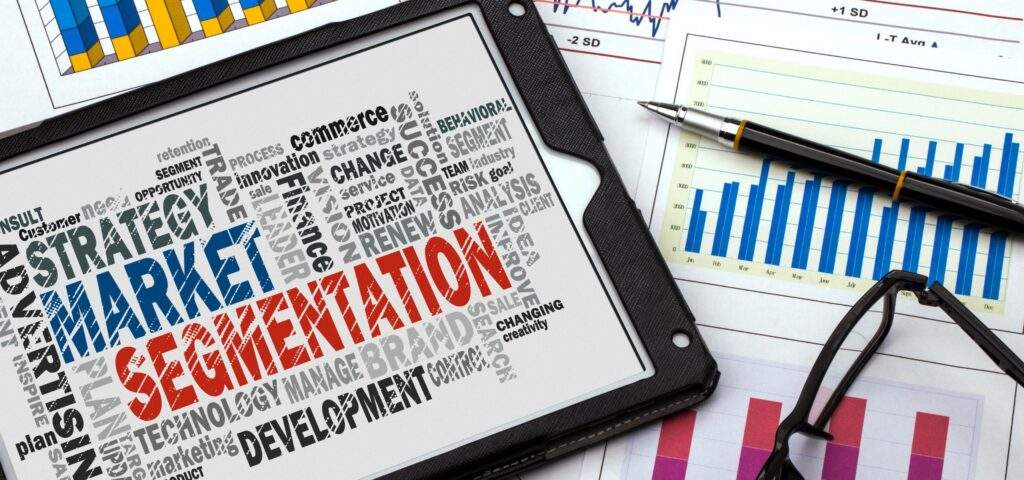
Where Segmentation Goes Wrong
1. Segmentation Is Too Broad
Categories like “Leisure” or “Corporate” are easy to report on, but difficult to act on.
Within each of these segments, you often have:
- Different booking behaviours
- Different willingness to pay
- Different booking windows
Treating them as one group leads to generic decisions instead of targeted ones
2. Segmentation Is Not Linked to Pricing
In many hotels, pricing decisions are made at a high level:
- By room type
- By date
- By overall demand
But not by segment behaviour.
That means. guests with different willingness to pay are treated the same
This is one of the most common sources of missed revenue in hotel revenue management.
3. Segmentation Is Not Connected to Channels
Where a guest books often tells you as much as who they are.
- Direct vs OTA
- Mobile vs desktop
- Last-minute vs early booking
If segmentation does not include these dimensions, you miss critical commercial signals
4. Segmentation Does Not Drive Decisions
The most important question is simple: What are we doing differently because of this segmentation?
In many cases, the answer is: Nothing
Reports are generated
Dashboards are reviewed
But pricing, distribution and marketing remain unchanged.
What Needs to Change in Revenue Management
To make segmentation truly valuable, it needs to move from reporting to action.
1. Make Segmentation Actionable
Your segments should reflect differences in behaviour, not just categories.
2. Link Segmentation to Pricing Decisions
Different segments should lead to different pricing strategies.
3. Connect Segmentation Across Teams
Revenue, marketing and sales should work with the same segmentation logic.
4. Use Segmentation in Weekly Decision-Making
Segmentation should be part of your regular commercial discussions, not just monthly reports.
The Reality We See in Practice
In many hotels, segmentation exists, but is not actively used.
It is:
- Too static
- Too broad
- Too disconnected from daily decisions
As a result, it does not drive performance.
But when segmentation is structured properly, it becomes a powerful tool to:
- Identify revenue opportunities
- Improve pricing precision
- Align teams around the same commercial logic
Why This Matters More Than Ever
The market is becoming more complex.
Demand is less predictable.
Distribution channels are evolving.
Guest behaviour is changing.
In this environment, strong Revenue Management strategy depends on understanding not just how much demand you have, but what kind of demand.
Hotels that use segmentation actively can:
- React faster
- Price more accurately
- Target more effectively
Those that don’t, rely on averages and lose opportunities.
Summary
Segmentation should not be a reporting tool.
It should be a decision-making tool.
- If it doesn’t influence pricing, it doesn’t drive revenue
- If it doesn’t influence strategy, it doesn’t create value
- If it doesn’t change decisions, it doesn’t matter
The shift is simple:
-> From describing your business
-> To actively shaping it
If your segmentation is not driving decisions, you are not alone.
This is one of the most common gaps we see across hotels and one of the biggest untapped opportunities.
At Taktikon, we help hotels structure their segmentation and connect it directly to Revenue Management and commercial decision-making, turning data into action and performance.